
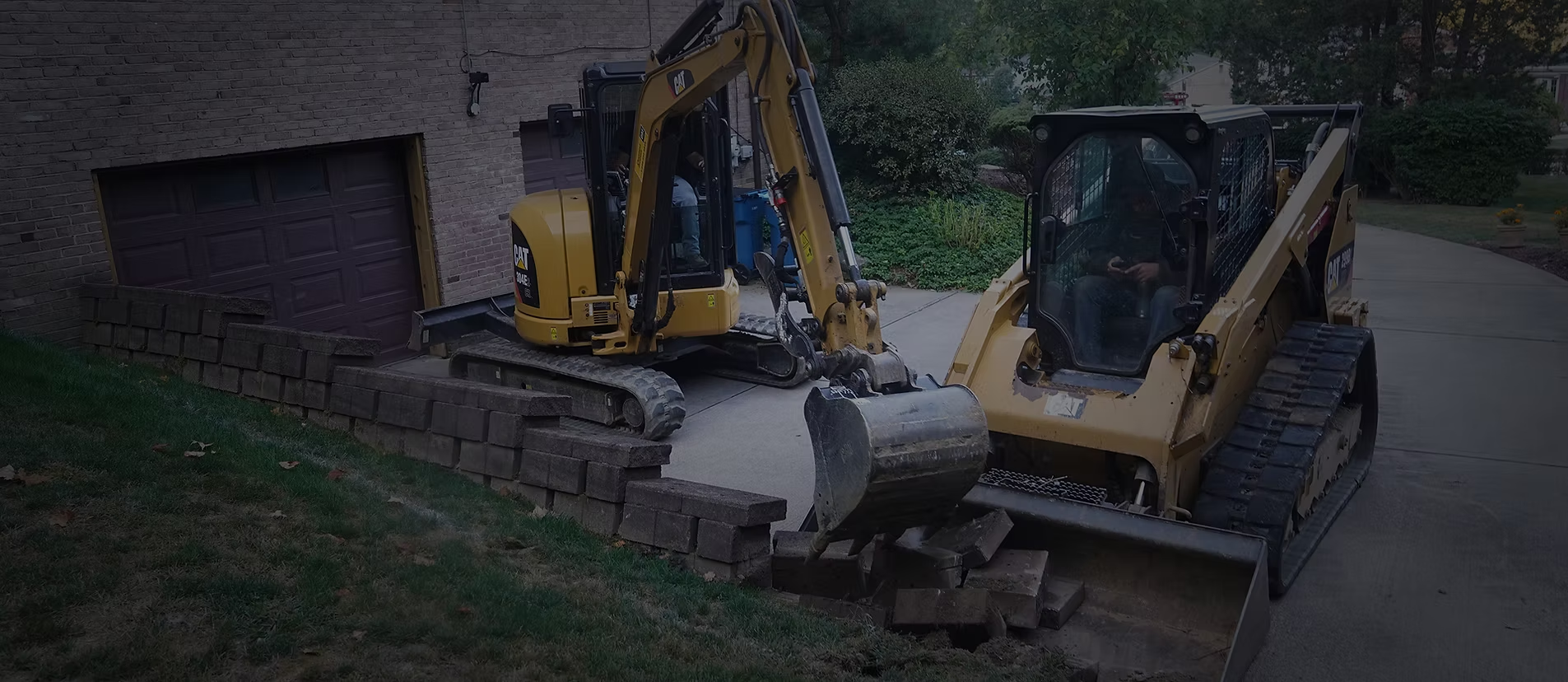
What Separates a 5-Year Wall from a 50-Year Wall
Base: 6–12 inches of compacted crushed stone below grade, extended a foot behind and in front of the wall. This is the foundation the whole wall sits on.
Drainage: 4-inch perforated pipe behind the first course, wrapped in fabric, with drain rock filling the void behind the wall for the full height. Water is the #1 killer of retaining walls.
Geogrid: for walls over 3–4 feet, geogrid reinforcement anchors the wall back into the hillside. Without it, walls this tall lean and fail — no matter how nice the block looks.
Batter: walls should tilt back into the hill about 1 inch per foot of height. Perfectly vertical walls fight gravity every day.
Common East-Suburbs Wall Projects
Driveway walls holding back cut slopes on sloped Plum and Oakmont lots.
Terraced garden walls on tiered backyards throughout Murrysville and Monroeville.
Structural walls replacing failing timber walls from the 80s and 90s across Penn Hills and Verona.
Patio walls and seat walls for outdoor living builds in newer neighborhoods.
Signs Your Existing Wall Is Failing
Any visible lean forward — walls should tilt back, never forward.
Cracked, bowed, or separating courses.
Water seeping through the face of the wall (the drainage system is done).
Erosion or sinking above and behind the wall.
Frequently Asked
How much does a retaining wall cost in the Pittsburgh east suburbs?
Segmental block walls typically run $45–$75/face foot installed for walls under 4 ft, and $75–$120/face foot for engineered walls over 4 ft. Poured and stone-veneer walls run higher.
Do I need an engineer for a retaining wall in PA?
Most municipalities in Allegheny and Westmoreland require a stamped design for walls over 4 feet tall. We handle that step for you when it's required.